
Leaving behind a garden you have nurtured for years can feel harder than packing up the rest of the house. Whether it is a rose bush from a wedding bouquet or a fig tree grown from a cutting, your plants carry memories that are worth the extra effort to save. The good news is that with the right timing, tools, and planning, most plants can survive a move and thrive in their new home. This guide walks you through how to prepare, transport, and replant your greenery so nothing gets left behind.
Decide Which Plants Are Worth Moving
Before you start digging anything up, take stock of what you actually own and what makes sense to bring along. Large, established trees or shrubs may be too rooted in the landscape to survive a transplant, while potted plants and smaller perennials travel much more easily. Consider the distance of your move too, since a short drive across town gives plants a far better survival rate than a cross-country trip that could take days.
Sentimental value matters just as much as practicality here. If a plant was a gift, a family heirloom cutting, or something you propagated yourself, it may be worth the extra planning even if it is not the easiest to transport.
- Potted houseplants and container gardens are the easiest to relocate
- Small shrubs and young perennials can often be dug up and replanted successfully
- Mature trees and deeply rooted shrubs are usually best left behind or given to the new owners
- Annuals nearing the end of their bloom cycle may not be worth transporting
- Rare or hard-to-replace varieties deserve priority even if they require more work
Time Your Plant Prep Around the Season
Timing can make or break your plant relocation, so try to align your move with a season that favors root recovery. Early spring or fall is ideal because cooler temperatures, typically in the 50-70°F range, reduce stress on the plant and give roots time to establish before extreme heat or cold sets in. During these transitional seasons, plants also demand less water and are often between major growth pushes, so the disruption of a move causes less setback. Moving plants in the middle of summer or during a hard freeze significantly raises the risk of shock or death. Summer heat forces plants to lose moisture through their leaves faster than stressed, disturbed roots can replace it, which can lead to wilting or scorch within days. A hard freeze, on the other hand, can damage exposed roots almost instantly and slow any recovery to a crawl since the plant is already dormant. If your move date isn’t flexible, consider prepping plants a few weeks ahead by transferring them into containers so they can acclimate before the actual transition. Watch your local forecast closely, too, since a string of mild days even in late summer or early winter can create a workable window. Ultimately, the goal is to minimize the gap between when a plant is uprooted and when it can settle into stable soil and conditions again.
If your move date falls during a tough season and you cannot change it, start preparing your plants two to three weeks in advance. This lead time lets root systems and foliage adjust gradually instead of being shocked by sudden changes all at once. Begin by trimming back leggy or overgrown growth, which reduces stress on the plant and makes it easier to transport. Water deeply a day or two before any major step, then let the soil dry slightly so pots are less heavy and less likely to develop mold in transit. If you’re moving in summer heat, start acclimating sun-loving plants to slightly more shade to prevent leaf scorch during transport. For winter moves, hold off on fertilizing and let plants ease into dormancy so they aren’t pushed to grow right before facing cold exposure. Easing plants into their travel containers a week or two early also helps. This gives roots time to settle before the actual transition day, so the move itself becomes just one small step rather than a jarring shock.
Prepare Root Balls and Containers for Transport
Plants that are already in pots need less prep, but anything coming out of the ground requires careful root ball preparation to avoid transplant shock. Dig a wide circle around the base of the plant, keeping as much of the original soil intact around the roots as possible. Wrap the root ball snugly in burlap or a heavy-duty plastic sheet to hold everything together during the ride.
- Water the plant thoroughly a day before digging to keep soil cohesive
- Trim back roughly one-third of top growth on shrubs to reduce stress on the root system
- Use containers slightly larger than the root ball so roots are not cramped
- Label each pot with the plant name and any special care notes
- Keep a spray bottle handy to mist roots and leaves during the move
Pack and Transport Plants Safely
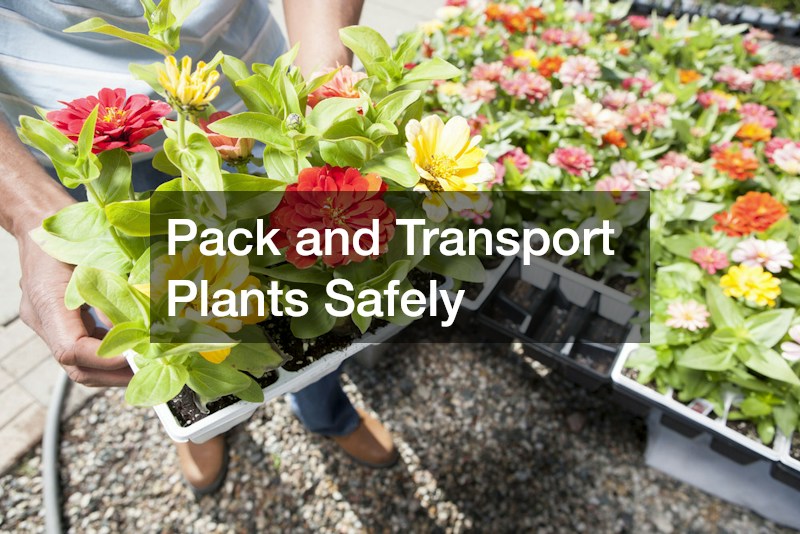
Once your plants are prepped, how you load and transport them matters just as much as the digging and wrapping. Place sturdy plants at the bottom of boxes or crates and keep delicate ones on top where they will not be crushed. Try to keep the vehicle at a moderate temperature, since a hot car or a freezing truck bed can undo all your preparation in a matter of hours.
If you are working with a moving company for the rest of your household items, ask ahead of time about their policy on transporting live plants, since many movers have restrictions due to liability and the risk of pests or spills. Some moving companies will not load plants onto the truck at all, which means you may need to transport them yourself in a personal vehicle. Knowing this in advance helps you plan your own timeline and avoid a last-minute scramble on moving day.
Care for Plants During the First Weeks in Your New Home
The transition period after arrival is often more critical to a plant’s survival than the move itself. Give plants a few days to acclimate indoors or in a shaded spot before placing them in direct sun or permanent locations. Watering consistently, but not excessively, helps roots recover without becoming waterlogged.
Keep an eye out for signs of stress like wilting, yellowing leaves, or dropped foliage, which are common but usually temporary. Most plants bounce back within two to four weeks once they settle into their new soil and light conditions, so patience is key during this adjustment period.
- Avoid fertilizing immediately after the move, since stressed roots can be sensitive to added nutrients
- Check soil moisture daily for the first two weeks
- Gradually introduce outdoor plants to full sunlight over several days
- Inspect for pests that may have hitched a ride during transport
- Repot container plants only after they show signs of new growth
Moving does not have to mean saying goodbye to the plants you have worked so hard to grow. With thoughtful timing, proper root care, and a little patience during the adjustment period, most of your greenery can make the journey successfully. Start planning your plant relocation as early as possible, ideally alongside the rest of your moving checklist, so nothing gets rushed or forgotten. Your garden may look a little different in the new house at first, but with consistent care it will settle in and flourish again.
