
Owning a home means taking responsibility for a wide range of systems, surfaces, appliances, and services that keep daily life comfortable and functional. For new homeowners especially, figuring out where to begin can feel overwhelming. There are heating and cooling systems to maintain, plumbing to monitor, outdoor areas to manage, and countless smaller details that can easily be overlooked.
The good news is that homeowners do not have to handle everything at once. Establishing a practical maintenance routine and learning how the home’s essential systems work can make these responsibilities much easier to manage. By starting with the areas that affect safety, comfort, water, energy, and the condition of the property, homeowners can create a solid foundation for long-term care.

Learn How Your Home Works
Before creating a maintenance schedule, take some time to understand the home itself. Every property has different systems and features, and knowing where everything is located can make routine maintenance and emergency situations easier to handle.
Start by locating the main water shutoff, electrical panel, HVAC equipment, water heater, and other major components. Make sure you know how to access these areas and understand their basic functions.
Review manuals and warranty information for appliances and installed systems. If the home is newly constructed or recently purchased, keep documentation from the previous owner, builder, or contractors in an organized location.
It can also be useful to make a simple list of major systems and their installation dates. Knowing how old an appliance or mechanical system is can help you anticipate future maintenance or replacement needs.
Create A Home Maintenance Calendar
Once you understand the major components of your property, create a maintenance calendar. This does not need to be complicated. A digital calendar, spreadsheet, notebook, or household management app can all work.
Divide responsibilities into different intervals. Monthly tasks might include checking for plumbing leaks, testing smoke detectors, inspecting HVAC filters, and looking for signs of moisture.
Seasonal tasks can include preparing outdoor plumbing for winter, checking gutters, inspecting the roof after severe weather, cleaning exterior areas, and preparing air conditioning equipment before warmer months.
Annual responsibilities may involve professional inspections, equipment servicing, septic maintenance, and other specialized tasks.
Having a schedule helps prevent maintenance from becoming reactive. Instead of remembering a task only when something goes wrong, you can make it part of your regular household routine.

Protect Your Water Supply
Water is one of the most important resources in any home. It is used for drinking, cooking, cleaning, bathing, laundry, landscaping, and countless other activities.
If your property relies on a private well, learn how the well system operates and understand any treatment equipment connected to it. Changes in water pressure, taste, odor, or appearance can indicate that the system needs attention.
Some homeowners use water treatment equipment to address specific water quality concerns. A well water softener may help manage hard water by reducing minerals that can contribute to scale buildup in plumbing fixtures and appliances.
Follow the manufacturer’s maintenance recommendations for any water treatment equipment. Filters, salt, cartridges, or other components may require regular service or replacement depending on the system.
Stay Ahead Of Plumbing Problems
Plumbing systems are easy to take for granted because most of the time they operate quietly in the background. However, a small leak or blockage can quickly become disruptive.
Check beneath sinks periodically for moisture or damaged connections. Inspect toilets for leaks and make sure faucets do not drip continuously. Pay attention to water pressure and any unusual sounds coming from pipes.
Slow drains should also receive attention. A drain that takes longer than usual to empty may be showing an early sign of buildup.
Professional plumbing and HVAC solutions can address a variety of household mechanical concerns when homeowners need more than basic maintenance.
The key is to respond to small warning signs instead of waiting until water is leaking or a fixture stops working completely.
Keep Drains Clear
Household drains encounter a steady stream of material every day. Hair, soap residue, grease, food particles, and other debris can accumulate inside pipes and gradually restrict water flow.
In kitchens, avoid pouring grease or large food particles down the sink. In bathrooms, use drain screens where appropriate to catch hair and other debris before it enters the plumbing system.
If a drain becomes slow, address the problem before it turns into a complete blockage. Repeated backups may indicate a larger issue that requires professional evaluation.
When routine maintenance is no longer enough, drain cleaning services can help identify and address buildup or obstructions affecting drainage.
Homeowners should also pay attention when several drains become slow at the same time. Multiple affected fixtures may indicate a problem farther down the plumbing system rather than a simple individual clog.
Maintain Your Heating And Cooling Systems
Heating and cooling systems have a major effect on household comfort throughout the year. They also need regular attention to operate efficiently and reliably.
Replace or clean air filters according to the equipment manufacturer’s recommendations. Keep vents and registers clear of furniture, rugs, curtains, and other objects that can restrict airflow.
Outdoor equipment should also be kept clear of excessive vegetation, leaves, and debris. However, homeowners should follow manufacturer recommendations before attempting any cleaning around mechanical components.
Unusual noises, inconsistent temperatures, weak airflow, strange odors, or sudden changes in energy usage can all justify professional evaluation.
If the home’s cooling equipment is old or needs replacement, AC installation services can help homeowners select and install equipment appropriate for the property.
Planning ahead is especially important for major HVAC work. Replacing equipment before an emergency failure can provide more time to compare options and schedule installation.
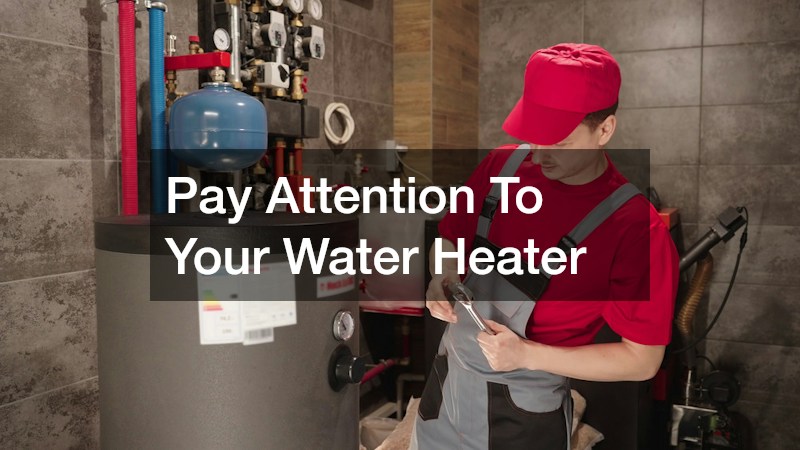
Pay Attention To Your Water Heater
Hot water is another essential part of everyday life. Water heaters supply showers, sinks, dishwashers, washing machines, and other household activities.
Homeowners should learn whether their system is gas, electric, tankless, or another configuration and understand the manufacturer’s maintenance recommendations.
Watch for warning signs such as inconsistent water temperature, unusual noises, visible leaks, discolored water, or water pooling around the unit.
When a water heater reaches the end of its useful life, waiting until it fails completely can create an inconvenient emergency. A professional water heater installation service can help homeowners replace outdated equipment and select an appropriate system.
Keep the area around the water heater accessible and free of unnecessary storage. This makes inspections and service easier while also keeping important equipment unobstructed.
Manage Outdoor Pest Concerns
Home maintenance extends beyond the walls of the house. Outdoor pests can make yards uncomfortable and may create additional concerns for people who spend significant time outside.
Standing water can provide favorable conditions for mosquitoes, so inspect areas around the property where water may collect. This can include containers, clogged drainage areas, low spots in the landscape, and other locations that retain moisture.
Homeowners can reduce potential mosquito habitat by eliminating unnecessary standing water and maintaining outdoor areas.
When mosquito activity becomes a persistent problem, professional mosquito removal may be an option for homeowners who want additional assistance managing outdoor pest populations.
Regular yard maintenance can complement professional treatments. Keep vegetation appropriately maintained and address drainage problems that cause water to remain around the property.
Protect Floors And Furnishings
The interior of a home also requires regular care. Flooring, furniture, rugs, countertops, and other finishes can represent significant investments, so maintenance should include protecting these materials from unnecessary wear.
Different materials require different cleaning methods. Always follow the manufacturer’s recommendations for flooring, furniture, and specialty materials.
Decorative rugs deserve particular attention. Oriental rugs and other specialty rugs may require cleaning techniques that differ from ordinary household carpeting. Avoid assuming that every rug can be cleaned using the same products or equipment.
Place appropriate mats near entrances to reduce the amount of dirt and moisture brought inside. Rearrange furniture periodically when appropriate to reduce uneven wear on certain flooring materials.
Maintain Windows And Glass
Windows contribute to natural lighting, ventilation, energy efficiency, and the overall appearance of a home. Damaged glass can compromise some of these benefits and may also present a safety concern.
Inspect windows periodically for cracks, chips, fogging between panes, damaged seals, or other visible issues. Make sure locks and latches operate correctly.
Drafts around windows may indicate deteriorated weatherstripping or other problems that should be evaluated. Moisture between panes can also indicate a failed seal.
For damaged panes, window glass replacement services can restore the affected window without necessarily requiring replacement of the entire unit, depending on the situation.
Keep window areas clean and avoid placing objects where they could interfere with operation or emergency access.
Understand Your Septic System
Homes that use septic systems require a different approach to wastewater management than properties connected to municipal sewer systems.
Homeowners should understand the location of the septic tank and drain field. Avoid parking heavy vehicles or placing structures over areas where the system needs access.
Be mindful of what enters household drains. Excessive grease, certain chemicals, and inappropriate materials can interfere with septic operation.
If you notice slow drainage, sewage odors, wet spots near the drain field, or wastewater backups, the system may need professional attention.
Working with local septic companies can help homeowners establish appropriate inspection and pumping schedules based on their system and household needs.
Regular maintenance is much easier than dealing with a major septic failure after warning signs have been ignored.
Prepare For Moving And Large Furniture
Moving into a home or rearranging rooms can create opportunities for accidental damage. Heavy furniture and appliances can scratch flooring, damage walls, or put unnecessary stress on doors and trim if they are handled improperly.
Before moving large objects, measure doorways and hallways and plan the route carefully. Protect flooring where appropriate and use suitable equipment for heavy items.
If you are relocating to a new property, a moving company can assist with transporting household belongings and handling large items.
Even when you are simply rearranging furniture, take the time to protect finished surfaces. A few minutes of preparation can help prevent repairs later.
Keep The Roof And Gutters In Good Condition
The roof protects the rest of the home from rain, snow, wind, and other outdoor conditions. Although homeowners do not need to inspect the roof every day, it should receive regular attention.
Look for visible signs of missing or damaged roofing materials, sagging areas, damaged flashing, or excessive debris. After severe weather, check for obvious changes from the ground.
Gutters and downspouts are also important because they direct rainwater away from the roof and foundation. Keep them clear of leaves and debris so water can flow properly.
If you notice leaks, damaged materials, or recurring drainage problems, have the appropriate professional evaluate the situation.
Keep Important Home Information Organized
Homeowners accumulate a surprising amount of information over time. Appliance manuals, warranties, contractor invoices, inspection reports, maintenance records, and product information can all become useful later.
Create one central location for these documents. Digital copies can be especially convenient because they can be accessed from a phone or computer when contacting a service provider.
Include important information about HVAC equipment, plumbing systems, water treatment equipment, appliances, roofing materials, windows, and other major components.
Keep a list of service providers you have used and note the date and nature of previous work. This creates a useful maintenance history and can help professionals understand the home’s background.
Know When To Call A Professional
One of the most important parts of home management is recognizing the difference between routine homeowner maintenance and work that requires professional expertise.
Simple tasks such as replacing filters, cleaning accessible areas, and checking for visible problems may be appropriate for homeowners. However, complicated plumbing, HVAC, electrical, roofing, septic, and water heater work can require specialized training and equipment.
If you are unsure whether a task is safe to perform yourself, consult an appropriately qualified professional. Attempting unfamiliar repairs can sometimes turn a relatively small problem into a much larger one.
Professional assistance can also provide an opportunity to identify underlying issues that are not obvious during a basic visual inspection.
Plan For Seasonal Changes
Every season brings different demands for a home. Preparing ahead of time can help reduce the likelihood of preventable problems.
Before winter, protect exposed pipes, inspect heating equipment, check doors and windows for drafts, and make sure outdoor water systems are properly prepared.
Before summer, make sure cooling equipment is ready, outdoor drainage is functioning, and landscaping is not interfering with the home or mechanical systems.
Spring is a useful time to inspect the exterior after winter, while fall is an ideal opportunity to clear leaves and prepare the property for colder conditions.
Seasonal maintenance does not have to happen all at once. Spread tasks across several weeks and use a checklist to stay organized.
Build Good Homeownership Habits
Managing a home becomes much easier when maintenance becomes part of everyday life. You do not need to know how to repair every system or handle every project yourself. Instead, focus on understanding the property, recognizing warning signs, and knowing when to seek professional help.
Pay attention to changes in water pressure, energy use, drainage, temperature, odors, sounds, and the appearance of walls, ceilings, floors, windows, and exterior areas. Small changes can provide valuable clues about developing problems.
At the same time, protect the home through regular cleaning, appropriate use of equipment, seasonal preparation, and organized records.
Make Home Management A Long-Term Routine
A well-maintained home is not the result of one major cleaning project or an occasional repair. It comes from consistent attention to the systems and features that support everyday life.
By learning how your home’s essential systems work, creating a maintenance calendar, protecting your water supply, caring for plumbing and HVAC equipment, managing outdoor concerns, maintaining interior finishes, and keeping important records organized, you can make homeownership more predictable.
The goal is not to prevent every possible problem. Instead, effective home management gives you a better chance of recognizing issues early, responding appropriately, and protecting the investment you have made in your property. With practical routines and the right professional support when needed, maintaining your home’s essential needs can become a manageable part of everyday homeownership.
