
A leaky faucet or a squeaky door hinge is fair game for a weekend DIY project, but not every home repair belongs on your to-do list. Some jobs carry risks that go far beyond a botched paint job or an uneven tile line, including electrocution, gas leaks, structural collapse, or carbon monoxide poisoning. Knowing where the line falls between a manageable fix and a job that demands a licensed professional can protect your home, your budget, and your family’s safety. This guide walks through the most common high-risk repairs so you can recognize the warning signs before you pick up a tool you shouldn’t.
Electrical Panel Upgrades and Rewiring
Electrical work is one of the most misunderstood categories of home repair because problems are not always visible until something fails catastrophically. A flickering light or a warm outlet cover might seem minor, but it can signal overloaded circuits or degraded wiring hidden inside your walls. Mistakes made while working on a breaker panel can cause fires that smolder for hours before becoming noticeable, which is why this is rarely a job for trial and error.
Beyond the immediate danger of shock or fire, incorrect wiring can void your homeowners insurance policy if an inspector later discovers unpermitted work. Many municipalities require licensed electricians to pull permits for panel upgrades, meaning a DIY job could also create legal headaches when you eventually sell your house. If you notice repeated breaker trips, burning smells, or discolored outlets, treat it as a signal to call in a professional rather than a project to tackle yourself.
- Frequent breaker trips even after resetting
- Warm or discolored outlet and switch plates
- Buzzing or crackling sounds from the panel
- Lights that dim when appliances turn on
- Any exposed or chewed wiring in the attic or basement
Gas Line Connections and Appliance Hookups
Gas leaks are silent, fast-moving, and potentially deadly, which makes this category one of the least forgiving for amateur repairs. Even a small miscalculation while connecting a gas line to a stove, water heater, or furnace can allow gas to escape into your home undetected until it ignites or causes illness. Because natural gas has no natural odor, utility companies add a sulfur-like scent specifically so leaks can be detected, but relying on smell alone is not a safe strategy for homeowners attempting their own hookups.
Professional plumbers and gas fitters use pressure testing equipment to confirm a line is sealed correctly before it is ever put into service, a step most homeowners are not equipped to perform. If you smell rotten eggs, hear hissing near a gas appliance, or notice your houseplants dying unexpectedly near a gas line, leave the house immediately and call your utility provider from a safe distance. Reconnecting or repairing gas lines should always go to a licensed professional, not a confident DIYer with a wrench and a YouTube tutorial.
Furnace and Air Conditioner Component Failures
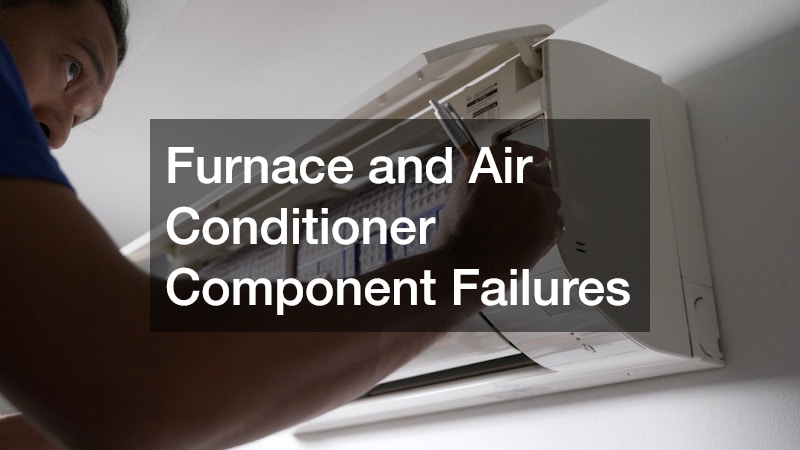
Heating and cooling systems combine electrical components, refrigerant lines, and combustion elements, which makes troubleshooting genuinely complicated even for handy homeowners. A cracked heat exchanger, for instance, can leak carbon monoxide into your living space without any obvious visible damage, and only specialized testing equipment can confirm the problem. Refrigerant handling is also tightly regulated, since improper handling can harm the environment and expose you to hazardous chemicals if a line ruptures.
This is a field where formal training genuinely pays off, and it is worth understanding that the people who show up to fix your system have typically gone through rigorous instruction covering electrical, mechanical, and safety codes. Many technicians spend months in HVAC contractors license prep before they are ever allowed to work independently on residential systems, which is part of why a proper diagnosis often takes real expertise rather than guesswork. If your system is blowing warm air, cycling on and off rapidly, or producing a burning smell, it is time to call a licensed technician rather than opening the cabinet yourself.
- Unusual burning or musty odors coming from vents
- Rapid cycling on and off without reaching set temperature
- Visible soot or discoloration around a furnace unit
- Loud grinding, squealing, or banging noises during operation
- A sudden spike in energy bills with no clear explanation
Roof Leaks Near Chimneys and Skylights
A missing shingle or two might tempt homeowners to grab a ladder and handle repairs solo, but roofing work carries serious fall risks that are easy to underestimate. Steep pitches, wet or icy surfaces, and unstable footing near chimneys or skylights account for a significant share of home repair injuries every year. Beyond personal safety, an improperly sealed flashing repair can lead to slow leaks that rot the roof deck and damage insulation long before the problem becomes visible from inside the house.
Professional roofers use harnesses, stabilized ladders, and roof jacks specifically designed to reduce fall risk, equipment most homeowners do not own or know how to use correctly. They also understand how to integrate new flashing with existing shingles so water is properly diverted rather than trapped. If you spot water stains on your ceiling, missing granules in your gutters, or daylight visible through your attic boards, it is a strong sign the repair needs a trained set of hands rather than a weekend project.
Structural Cracks and Foundation Settling
Cracks in a foundation wall or a noticeably sloping floor can be alarming, but not every crack signals a crisis and not every fix is something a homeowner should attempt. Hairline cracks from normal concrete curing are typically cosmetic, while wide, horizontal, or stair-step cracks often indicate shifting soil or drainage problems that require an engineer’s assessment. Attempting to patch a structural crack without understanding its cause can mask a serious problem while the underlying issue continues to worsen.
A structural engineer can determine whether the movement is stable or ongoing, and that diagnosis should always come before any repair work begins. Foundation contractors then use techniques like helical piers or wall anchors that require specialized equipment and training to install safely. Doors that suddenly stick, windows that won’t close properly, or visible gaps between walls and ceilings are all signs worth having evaluated by a professional rather than patched over with caulk.
- Cracks wider than a quarter inch or growing over time
- Doors and windows that stick or won’t latch properly
- Sloping or uneven floors noticeable when walking
- Gaps forming between walls, ceilings, or the foundation
- Water pooling near the foundation after every rainstorm
Recognizing the difference between a manageable weekend project and a job that requires professional expertise can save you from costly damage, injury, or worse. When in doubt, treat safety-critical systems like electrical, gas, HVAC, roofing, and structural repairs as opportunities to call in a licensed expert rather than a chance to save money. Your next step is simple: if a repair involves fire, gas, electricity, heights, or your home’s structural integrity, pick up the phone before you pick up a tool.
