
The transition into the later stages of life is rarely a single, isolated event. Instead, it is a gradual shift that brings about new priorities, questions, and occasionally, difficult decisions that can weigh heavily on a household. Most people spend their younger years focusing on building a career, raising a family, and saving for a future that seems comfortably far away. When that future finally arrives, the sheer complexity of managing it can be surprising. Families often find themselves at a crossroads where they need professional guidance to navigate the shifting sands of health, finances, and legal rights. Finding the right support system is the first step toward a graceful transition. This often starts with identifying a reputable law firm that can provide a foundational structure for everything that follows. It is about more than just checking boxes on a list of forms; it is about creating a genuine sense of security for the individual and their loved ones.
As life evolves, the legal needs of a person also change in ways that are not always intuitive. It is common for people to think that any legal professional can handle their affairs, but that is rarely the case in a world of increasing specialization. Just as you would not go to a cardiologist for a broken bone, you should not rely on a generalist for the specific nuances of late-life transitions. Understanding the difference between various legal specialties is vital for ensuring that your interests are protected against the unknown. Many families wait until a crisis occurs before they look for help, but being proactive can save months of time, thousands of dollars, and a great deal of emotional stress.
Defining the Scope of Family Law in Later Life
There is a common misconception that family law is strictly for young couples starting out or those dealing with child custody battles. In reality, legal matters involving family dynamics can happen at any age and often become more complicated as assets grow and relationships mature. In the current era, we are seeing a significant rise in what is often called gray divorce. These are separations that happen after decades of marriage, usually when the children have grown and moved away. When a couple decides to part ways in their sixties or seventies, the stakes are incredibly high for both parties. They are not just dividing a house and some bank accounts; they are dividing a lifetime of accumulated assets, retirement funds, and complex pension plans that were intended to last forever.
In these specific scenarios, a local family attorney is the most appropriate professional to call for guidance. They understand the local court systems and the specific regulations regarding the division of property in your specific area. They can help navigate the emotional and financial complexities of late-life separation, ensuring that both parties are left with enough resources to live comfortably and independently. This type of legal counsel is also necessary for matters involving the visitation of grandchildren or when a second marriage requires a prenuptial agreement to protect the inheritance of children from a previous relationship. Family law provides the necessary framework for keeping family structures functional, even when they are changing in unexpected directions.
The Specialized World of Elder Law

While family law deals with the relationships between people, elder law focuses on the rights, protections, and specific needs of the aging individual. This is a highly specialized field that requires a deep understanding of government programs like Medicaid, Social Security, and various state-level assistance initiatives. The goal of this legal branch is to ensure that a person can receive the care they need without completely exhausting their life savings or losing their home. It is a delicate balance of asset protection and healthcare planning that requires constant attention to changing legislation.
Engaging elder law attorneys allows a family to look at the long-term horizon with clarity. They help with the creation of trusts that can shield assets from being counted toward Medicaid limits, which is essential for those who might eventually need nursing home care. They also assist with power of attorney documents, ensuring that if a person becomes incapacitated, a trusted individual has the legal right to make financial and medical decisions on their behalf. Without this type of specialized planning, families often find themselves in expensive and lengthy court battles over guardianship. Elder law is about providing a roadmap for the future that prioritizes the dignity and autonomy of the senior over everything else.
Facing Health Challenges with Clarity
The physical realities of aging can be the most difficult part of the transition for many families. Many seniors enjoy decades of good health, but chronic conditions can appear without much warning, changing the daily routine of everyone involved. Neurological issues are particularly challenging because they affect not only the body but also the way a person interacts with the world and their community. For instance, being diagnosed with Parkinsons can feel like a heavy blow to a family. It is a progressive condition that requires a multi-faceted approach to management, involving specialized medical care, lifestyle adjustments, and significant long-term planning.
When a diagnosis like this occurs, the legal and medical worlds collide in ways that require immediate attention. The family needs to ensure that the patient’s wishes are documented while they are still able to communicate them clearly and effectively. This is when the advice from earlier legal planning becomes incredibly valuable. Knowing that there is a plan in place for medical expenses and care allows the family to focus on what matters most: spending quality time together and ensuring the highest possible quality of life for the patient. Dealing with health challenges is never easy, but having a solid plan in place removes the additional burden of uncertainty.
Building a Day-to-Day Support System
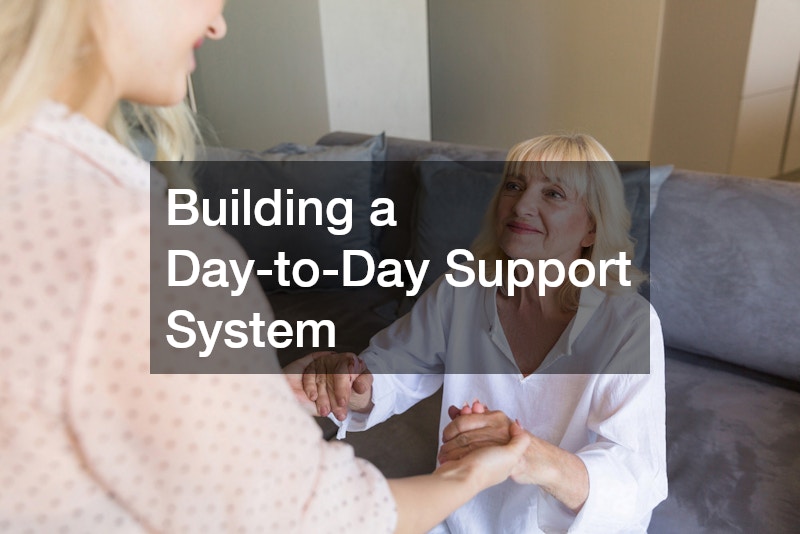
As a person’s needs increase, the role of the family often shifts from simple companionship to intensive caregiving. This shift can be exhausting for everyone involved, often leading to health issues for the caregivers themselves. Spouses and adult children often try to take on all the responsibilities themselves, but this frequently leads to burnout and strained relationships. Bringing in professional help is not a sign of failure or a lack of love; it is a way to ensure that the senior gets the best possible care while allowing the family to remain a family.
Hiring a local caregiver can provide the necessary balance for a household in transition. This professional can help with daily tasks such as bathing, dressing, meal preparation, and medication reminders. Having someone in the home who is trained to handle the specific needs of seniors can prevent accidents and provide much-needed social interaction. It also gives the primary family members a chance to rest and attend to their own lives, which is vital for long-term sustainability. This support system is the foundation of a successful aging-in-place strategy, allowing seniors to stay in the comfort of their own homes for as long as possible.
Addressing the Emotional Toll of Transition
The focus of late-life planning is often on the physical and the legal, but the emotional aspect is just as important for a healthy outcome. Aging involves a series of losses: the loss of a career, the loss of friends, and sometimes the loss of physical abilities. It is natural for these changes to cause anxiety, depression, or a sense of isolation. Ignoring these feelings can lead to a decline in physical health, as the mind and body are deeply connected. Mental health is a cornerstone of overall well-being, yet it is often the last thing to be addressed in many families.
This is where psychotherapy plays a vital role in the transition process. Speaking with a therapist who specializes in geriatric issues can help a senior process their feelings and find a new sense of purpose in this new stage of life. It is also a valuable tool for caregivers who are struggling with the emotional weight of watching a loved one decline or dealing with the stress of constant responsibility. Mental health support should be a standard part of any late-life plan. It provides a safe space to discuss fears, regrets, and hopes for the legacy they will leave behind. When the mind is at peace, the challenges of the body become much easier to manage.
Planning for the Final Chapter

There is a certain peace that comes with making final arrangements ahead of time. It is a final gift to the family, as it spares them from making difficult, expensive decisions during a time of intense grief. Many people today are moving away from traditional burials in favor of more flexible and affordable options. The popularity of cremation services has grown significantly over the last few years, reflecting a shift in how we think about the end of life. This choice often allows for more personalized memorial services, as the family is not pressured by the immediate timeline of a traditional burial.
Legal professionals can help ensure that these final wishes are documented in a way that is legally binding and easy to follow. This prevents disputes between family members and ensures that the individual’s values are respected until the very end. Whether a person chooses a traditional approach or a more modern alternative, the key is clear: open communication. Having these conversations early, while everyone is still healthy and calm, makes the eventual transition much smoother for those who are left behind. It allows for a focus on celebration rather than logistics.
Creating a Lasting Physical Record
Even as traditions change and modern options become more popular, the desire to leave a physical mark on the world remains strong. A memorial serves as a focal point for remembrance, a place where future generations can go to connect with their history and their ancestors. The choices made for these memorials are deeply personal and reflect the unique personality of the individual. For many families, a headstone is the preferred way to mark a final resting place. These markers have evolved from simple stones to complex works of art that can include photographs, detailed inscriptions, and unique designs that tell a story.
Selecting the right marker involves practical considerations that are often overlooked until they are needed. Different cemeteries have different rules about what can be placed on a plot, including size, material, and height restrictions. Working with a professional memorial provider ensures that the stone will withstand the elements and remain a clear, readable record for centuries. It is a way of saying that this life mattered and that the person will not be forgotten by the community or their family. This physical presence provides a sense of continuity that is very important for many people.
The Traditions of Remembrance

The language we use to describe our final resting places often carries deep historical and cultural weight. While the terms are sometimes used interchangeably in casual conversation, each carries a slightly different connotation and history. A gravestone is a traditional term that evokes a sense of permanence and solemnity. In many cultures, the ritual of visiting the site and tending to the stone is an important part of the grieving and healing process. It provides a physical connection to the past that can be very comforting for those who are mourning a significant loss.
In the legal and estate planning world, the cost of these memorials should be factored into the overall budget long before they are needed. By setting aside funds specifically for the memorial, a person ensures that their final resting place will be handled exactly as they envisioned, without placing a financial burden on their heirs. It is one more way to take control of their legacy and ensure their wishes are honored.
Closing the Loop on a Life Lived
The final stages of life are truly about finding closure and ensuring that one’s affairs are in order for the next generation. Every decision made, from the type of legal counsel hired to the design of a tombstone, contributes to the overall legacy of the individual. When the legal, medical, and emotional aspects of life are handled with care and foresight, the transition is not something to be feared. Instead, it becomes a time of reflection, peace, and shared memories.
Ultimately, managing late-life transitions is about balance and preparedness. It requires the expertise of specialized professionals who can handle the complexities of the law and the realities of health. It also requires the compassion of caregivers and the support of mental health professionals who understand the journey. By taking a holistic approach to planning, families can navigate these years with confidence and grace.
Navigating the waters of aging requires us to be both practical and sensitive. Whether you are dealing with the initial stages of a condition like Parkinsons or you are looking for a local family attorney to update your estate documents, the key is to act with intention. The world of late-life transitions is complex, but it does not have to be overwhelming. By reaching out to the right professionals and having open conversations with your loved ones, you can create a plan that honors your past and secures your future.
